

Adrenal dysfunction (often referred to as "adrenal fatigue") is quite common in today’s modern world, especially amongst women.
"Adrenal fatigue" is not a formal medical diagnosis, but the term is often used to describe a pattern where cortisol levels may be too high or too low, commonly linked with ongoing stress.
What Can Affect Your Adrenals?
Many kinds of stress may affect your adrenals:
- Environmental stress: chemicals, pollution, toxins
- Emotional stress: worry, panic, anger and grief
- Physical stress: injury
- Blood sugar imbalances
- An imbalanced gut microbiome
- Dietary and nutrient deficiencies
What Do Your Adrenals Do?
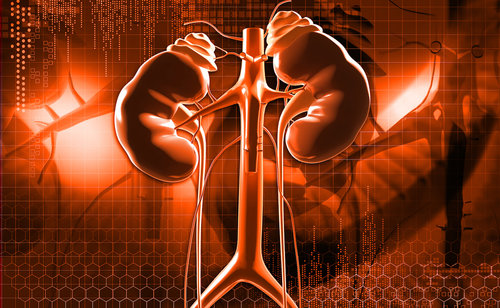
Your adrenals are two small glands that sit on top of your kidneys. They release hormones, including cortisol, that help regulate metabolism, inflammation and blood pressure.
Cortisol is part of your "fight or flight" response, as opposed to your "rest and digest" response. When fight or flight is switched on for too long, it can disrupt the body’s ability to maintain homeostasis (natural balance).
Common Signs of Adrenal Dysfunction
Common symptoms that may be linked with adrenal dysfunction include:
- Low energy throughout the day
- Low thyroid function
- Low mood
- Low libido
- Mental exhaustion
- Poor sleep
- Brain fog
- Mood swings
- PMS
- Sugar cravings
- Dependence on coffee
When symptoms are ignored for a long time or go unchecked, ongoing stress may disrupt other systems in the body, such as the immune system, hormones and thyroid, and may contribute to other health concerns. If you’re experiencing ongoing fatigue, low mood or any of the symptoms above, it’s always a good idea to see your GP as well, so other causes can be ruled out.
Working on the body as a whole is important. The adrenals, liver and gut all need to be working well together.
Adrenal dysfunction is part of a larger system called the HPA axis: the hypothalamus, pituitary and adrenal axis.
The HPA axis works on a feedback mechanism. Stress, poor nutrition and toxins in our environment all affect this mechanism. Managing stress is one way to support it.
Let’s Talk About the Key Signs and What You Can Do
Blood Sugar Imbalances
Blood sugar imbalances are often linked to not eating enough (surprisingly, a lot of clients undereat for what their body needs), restricting carbohydrates, not eating enough protein (especially first thing in the morning), skipping meals and over-exercising (too much cardio and not enough weight-bearing exercise).
Some tips to help support balanced blood sugar include:
- Eat some healthy protein, fat and fibre at every meal, especially breakfast. For example, an apple with some nut butter, or coconut yoghurt with collagen and berries.
- Investigate your gut health. Gut bugs like candida can be very opportunistic and may drive sugar cravings for their own survival.
- Low stomach acid can also affect how you digest and absorb nutrients from food. In clinic we use the Microba gut test and Hair Tissue Mineral Analysis (HTMA) to look at gut health and mineral patterns. You can set up a free 30-minute discovery call if you are interested in either of these tests.
- Keep sugar to a minimum in your house. This is an obvious one!
Check Your Minerals!
Hair Tissue Mineral Analysis is a tool I love because it measures the minerals in a small hair sample, which can give insight into:
- How you may be using nutrients, and whether you may be depleted
- The effects of stress on the body
- How your diet may be fuelling your body
- Mineral patterns linked with thyroid and adrenal activity (both are involved in energy pathways)
Minerals act as co-factors for a huge number of enzymes. They are essentially your body’s spark plugs and keep your body running. We look at the whole picture with HTMA: mineral levels, the ratios between minerals and each person’s individual symptoms.
When it comes to adrenal health, there is a very intricate dance between four main minerals: magnesium, sodium, potassium and, to a lesser extent, calcium. By looking at the body as a whole, including these nutrient deficiencies and toxicities, we can build a plan to support your adrenal health.
Toxins in Our Environment and Gut Health
Unfortunately, in the modern world we live in, there are toxins everywhere. Toxins from the environment and an unhealthy gut may also affect our adrenal function.

When the gut isn’t working well and there are food sensitivities, leaky gut, inflammation or parasites, this can be a source of stress on the adrenals.
Supporting your adrenals is often not just about managing stress. Often we need to focus on the gut too!
Sleep and Your Adrenals
Sleep loss can negatively affect your circadian rhythm. This is due to the pattern between cortisol and melatonin. Cortisol (which is made by your adrenals) should be higher in the morning, decrease over the day and be at its lowest at night, so that melatonin can be produced and you can enjoy a good night’s sleep.
For some people, a shift in cortisol during the night may wake them up, often followed by a trip to the bathroom. Supporting your adrenals may help you enjoy a more peaceful, restful night’s sleep.
If you are interested in knowing more about your adrenals and how they may be affecting your health, it might be a good idea to do some testing. Testing can help us understand what may be contributing to the symptoms mentioned above. Knowledge is power!
If you’d like to understand what may be affecting your health, book a free 30-minute phone call.