
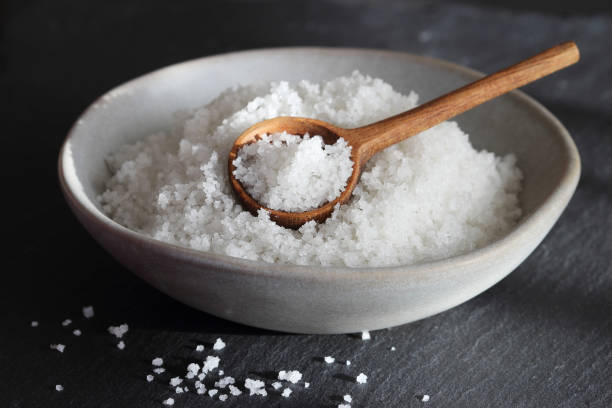
Salt, also known as sodium chloride, is a mineral that has been used for centuries to enhance the flavour of food, preserve food and support health. However, in the last few decades, salt has had a bad rap in the media.
But did you know that salt is essential for life? In this blog, we will explore the role salt plays in the body and why we still need it in our modern-day society.
The Role of Salt in the Body
Regulates Fluid Balance
Sodium is required to maintain adequate fluids within our body. It is an electrolyte that regulates the balance of fluids between the inside and outside of our cells.
Muscle and Nerve Function
Sodium is necessary for muscle and nerve function. It is required for muscles to contract and relax, and it plays a crucial role in transmitting nerve signals within the body.
Digestion
Sodium chloride is a component of hydrochloric acid (HCL), which is essential for the proper digestion of food and its nutrients. HCL also helps protect us from food-borne pathogens. Digestion and gut health are the foundation of our overall health, and poor digestion may affect many other systems in the body, including the nervous system, the immune system, the liver and the skin.
Why the Fear of Salt?
Salt is in almost every processed and packaged food, and the fear of salt has grown as our intake of processed food has increased. I agree that these processed and packaged foods are detrimental to health. However, although salt has been treated as the enemy, what many people don’t realise is that if you are eating a wholefood diet with minimal processed foods, you may be eating far less salt than you think, and for some people, less than their body needs.
Do We Need Salt in Our Modern-Day Society?
The current advice to reduce salt is largely based on the standard Australian diet, which is typically filled with processed foods. If you are a fit and healthy person who eats predominantly wholefoods, exercises and lives in our busy modern world, then listen up!
Every day, we lose salt through sweat and urine. Salt also plays an important role in our nervous system, and stress can deplete our bodies of salt.
In today’s modern world, the unfortunate reality is that we all experience stress to some degree. Aldosterone, a hormone produced by the adrenal glands, helps to regulate our body’s water and electrolytes. During a stress response, aldosterone signals the kidneys to hold on to sodium rather than excrete it, as part of the body’s response to stress.
In our clinic, we prefer unrefined salt, such as Celtic sea salt, because it naturally retains a range of trace minerals. Refined table salt, on the other hand, is processed to remove these other minerals, and it is the type of salt found in most processed foods.
Please note: if you have high blood pressure, heart disease or kidney disease, or your doctor has advised you to limit salt, please don’t increase your salt intake without speaking to your GP first.
What HTMA Can Show Us About Salt and Stress
A Hair Tissue Mineral Analysis (HTMA) measures minerals, including sodium and potassium, in a small sample of hair. Practitioners who use HTMA often read hair sodium levels as one reflection of aldosterone activity and how the adrenal glands are responding to stress. On an HTMA report, the ratio between sodium and potassium is often called the “vitality ratio”, because these two minerals work so closely together and are so important for health.
In my clinic, it is common to see an elevated hair sodium reading in people going through acute stress. When stress has been high for a long time, hair sodium levels often tend to be low, a pattern that may suggest the adrenals are under strain. HTMA is not a diagnostic test, so we always read these patterns alongside your symptoms, health history and any medical testing.
Signs that your adrenals may be under strain can include:
- Fatigue
- Allergies
- Joint pain
- Low mood
- Low blood sugar
These symptoms can have many causes, so it’s important to discuss them with your GP as well.
The Bottom Line
Overall, salt is essential for life. However, it is important to remember that salt requirements vary based on individual needs, health status and genetics. If you are wondering about your salt intake, or you would like to learn more about Hair Tissue Mineral Analysis, I would love to support you on your health journey.
If you’d like to understand what may be affecting your health, book a free 30-minute phone call.